Anyone replacing windows or planning a new build will soon face the same question: PVC or aluminium windows? The answer affects far more than the purchase price. It influences the appearance of your home, thermal insulation, maintenance requirements, and the possibilities for large window sizes, colours, and opening types. That is why comparing the two materials carefully is far better than relying on assumptions.
Many buyers begin with a simple belief: PVC is affordable, aluminium is premium. While there is some truth in this, the reality is more complex. The right choice depends on what your project actually requires. A family home focused on value for money has very different needs from a modern glass façade, a renovation project, or a commercial building with large glazed elements.
PVC or Aluminium Windows: What Is the Real Difference?
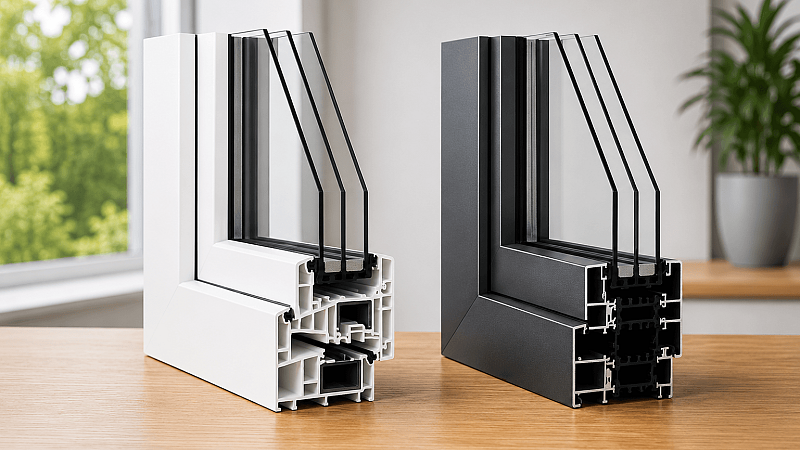
The fundamental difference lies in the frame material. PVC windows are typically based on multi chamber profiles that deliver excellent thermal insulation at an attractive price. Aluminium windows, on the other hand, offer exceptional structural strength, slimmer sightlines, and a clean, contemporary architectural appearance.
In practice, this means PVC excels in value for money, energy efficiency, and everyday residential applications. Aluminium stands out where design, structural performance, and large glazed areas are the priority. Both materials are available as high quality custom made windows in a wide range of configurations, but not every material is equally suitable for every project.
Price Comparison: Where PVC Usually Has the Advantage
If keeping the budget under control is a priority, PVC is often the more economical solution. This applies not only to the initial purchase price but also to the overall balance between cost, thermal insulation, and available features. For many homeowners and renovation projects, this combination makes PVC the preferred choice.
The savings become even more noticeable when replacing all the windows in a house. Choosing PVC often makes it easier to keep the entire project within budget while still achieving excellent thermal performance and modern specifications.
Aluminium windows generally require a higher investment. The reasons are easy to understand: the material itself, the manufacturing process, and the profile systems are all more sophisticated. In return, buyers benefit from outstanding structural stability, elegant appearance, and excellent performance in large glazed areas. For architecturally ambitious projects, aluminium is often a deliberate investment in quality.
Thermal Insulation and Energy Efficiency
When it comes to energy efficiency, PVC has traditionally been one of the strongest performers. Modern PVC profile systems achieve excellent insulation values, making them a popular choice for both new builds and renovation projects. Homeowners looking to reduce heating costs and improve long term energy performance often find PVC to be the most cost effective solution.
Aluminium naturally conducts heat more readily than PVC. For this reason, modern aluminium window systems use advanced thermal breaks to achieve excellent insulation performance. High quality systems can deliver outstanding results, although they usually come at a higher price. The outdated belief that aluminium windows are poor insulators is no longer accurate, provided the correct system is selected.
If your priority is achieving the best balance between insulation and cost, PVC windows are often the logical choice. If contemporary design and large glazed openings are more important, aluminium can also provide excellent energy efficiency, provided the systems are compared carefully.
Design, Slim Sightlines, and Architectural Appearance
This is where aluminium often has a clear advantage. The material allows for slimmer frames, cleaner lines, and a refined contemporary appearance. Large floor to ceiling glazing and minimalist architecture particularly benefit from these characteristics. Less visible frame means more glass, creating brighter interiors and stronger visual impact.
PVC windows have evolved significantly in recent years. Modern colour finishes, textured surfaces, and wood effect foils offer far more design flexibility than the traditional white window. Even so, aluminium generally remains the preferred choice where elegant proportions and ultra slim profiles are required.
If your priority is practicality, excellent value, and an attractive appearance, PVC is an outstanding solution. If architectural design plays the leading role in your project, aluminium deserves serious consideration.
Structural Strength and Large Window Elements
As window sizes increase, aluminium begins to show its structural advantages. The material is exceptionally rigid, resistant to twisting, and ideally suited for large spans. This makes it the preferred choice for wide fixed glazing, tall terrace doors, and projects where expansive glass surfaces are a key part of the architectural design.
PVC can also perform extremely well, particularly when reinforced with steel and combined with high quality profile systems. For most residential properties, this is more than sufficient. However, when exceptionally large dimensions, ultra slim sightlines, or high wind loads are involved, aluminium often provides the technically superior solution.
The decision should therefore never be based on the material alone. Window size, installation conditions, and the quality of the profile system are equally important.
Maintenance, Weather Resistance, and Durability
Both PVC and aluminium windows are easy to maintain, although they offer slightly different advantages. PVC windows are simple to clean and require very little routine maintenance. For many homeowners, this makes them an ideal choice for everyday residential use.
Aluminium is exceptionally resistant to weather, UV radiation, and long term exposure to the elements. Powder coated finishes are known for their excellent colour stability and durability, making aluminium particularly attractive for buildings exposed to intense sunlight or demanding environmental conditions. Homeowners seeking premium surface quality and a sophisticated metallic appearance often find aluminium to be the better investment.
This does not mean PVC lacks durability. Modern PVC windows are designed for decades of reliable service. The choice is therefore also a matter of personal preference regarding appearance, surface finish, and the architectural style of the building.
PVC or Aluminium Windows for Renovation and New Builds
For renovation projects, PVC is often the preferred solution, especially when cost efficiency, thermal insulation, and return on investment are the main priorities. Replacing older windows with modern PVC systems provides an excellent balance between performance and affordability, making it one of the most practical options for existing homes.
In new build projects, the decision depends more heavily on the overall architectural concept. A traditional family home with a clearly defined budget often benefits most from PVC. Contemporary homes with expansive glazing, flat roof designs, or striking modern façades frequently gain additional value from aluminium systems.
For developers, architects, and commercial buyers, material selection is often based on project standards and long term cost planning. Once design requirements, window sizes, and technical specifications have been established, choosing the most suitable material becomes a straightforward part of the overall building strategy.
When PVC Is the Better Choice
PVC is particularly suitable when a project requires excellent value for money together with strong thermal performance. Detached houses, semi detached homes, renovation projects, and many standard residential developments all benefit from modern PVC window systems. This is especially true when multiple windows, balcony doors, and patio doors are being ordered as part of one project.
Homeowners using online configuration tools and comparing quotations also benefit from the wide range of PVC profile systems available. The variety of options, combined with competitive pricing and reliable performance, makes PVC one of the most versatile choices on the market.
When Aluminium Is the Better Choice
Aluminium is the ideal solution when a window is expected to deliver more than basic functionality. Modern architecture, large glazed areas, slim sightlines, and premium finishes all benefit from the strength and versatility of aluminium. It is therefore a popular choice for high end residential properties as well as commercial developments where appearance and long term performance are key priorities.
Whenever maximum structural stability and elegant, narrow frames are required, aluminium clearly demonstrates its strengths. In these situations, the higher purchase price should not be viewed as a disadvantage but as an investment in durability, architectural quality, and long term value.
The Right Choice Depends on More Than the Frame Material
Anyone seriously comparing PVC and aluminium windows should look beyond the frame itself. Glazing, security features, hardware, seals, colours, and installation quality all have a significant impact on the final result. Even the most expensive window system can become a poor investment if it is incorrectly specified, while a well configured system in the right material can provide outstanding performance for decades.
That is why window size, building type, intended use, and available budget should always be considered together. Custom made windows purchased directly from the manufacturer make these comparisons far more transparent. Profile systems, specifications, and prices can be evaluated side by side, helping buyers make informed decisions instead of focusing only on the lowest unit price.
At FENSTERNORM, this process is simple and transparent. Choose your preferred material, define the dimensions, select the glazing and features, and receive a quotation tailored to your project. This transforms the question of PVC or aluminium windows from a general debate into a practical decision based on your individual requirements.
Choose the Window System That Fits Your Project
The best window is not necessarily the most expensive or the least expensive one. It is the system that best matches your building, your design goals, your energy efficiency requirements, and your budget. By comparing materials carefully and selecting the right configuration from the beginning, you can enjoy windows that provide comfort, performance, and lasting value for many years to come.