Choosing the best windows for a new build is about far more than buying another building component. The windows you select will influence your heating costs, indoor comfort, sound insulation, and the overall appearance of your home for decades. That is why it makes sense to look beyond the lowest purchase price and evaluate the complete window system, including the profile, glazing, seals, hardware, and optional features.
What Are the Best Windows for a New Build?
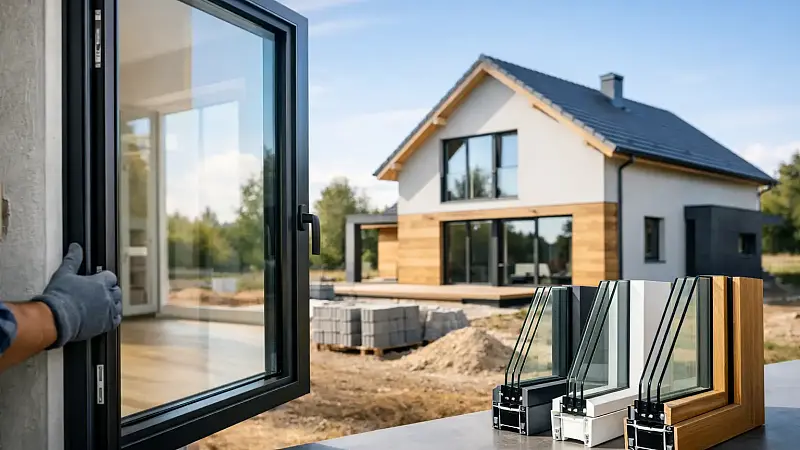
The honest answer is simple: there is no single best window for every project. For a compact family home with a carefully planned budget, high quality PVC windows may offer the strongest value for money. For large glazed areas, slim sightlines, or premium architectural designs, aluminium or timber aluminium windows often provide significant advantages. Choosing the best windows for a new build therefore always requires balancing performance, energy efficiency, appearance, and budget.
New builds offer much greater design freedom than renovation projects. Dimensions, installation details, opening types, and sun protection can all be planned from the very beginning. This is a major advantage because your windows are designed around the house rather than adapted to an existing structure. That is exactly where the greatest difference lies between a standard purchase and a truly customised solution.
Choosing the Right Material: PVC, Aluminium, or Timber Aluminium?
PVC windows remain one of the most economical choices for new homes. They provide excellent thermal insulation, outstanding value for money, and require very little maintenance. For many homeowners, they represent the highest return on every euro invested. When a project includes multiple windows, balcony doors, and terrace doors, the cost savings quickly become significant.
However, PVC also has its limitations. Very large glazed elements or projects requiring exceptionally slim sightlines may exceed the practical limits of basic profile systems. In these situations, the quality of the profile design and the internal reinforcement become especially important. Premium profile systems from established manufacturers perform on an entirely different level from entry level alternatives.
Aluminium windows create a more contemporary appearance, offer exceptional structural stability, and perform particularly well in large openings. Homeowners planning floor to ceiling glazing, wide sliding doors, or clean architectural lines often choose aluminium. The higher purchase price is balanced by outstanding durability, superior strength, and an elegant modern aesthetic.
Timber aluminium windows combine the warmth of natural wood on the interior with the durability of aluminium on the exterior. This combination delivers premium appearance and excellent weather resistance, although it also represents a higher investment. For homeowners who value interior design and long term quality, timber aluminium can be a highly rewarding solution.
Thermal Insulation: The U Value Is Important, but Not the Only Factor
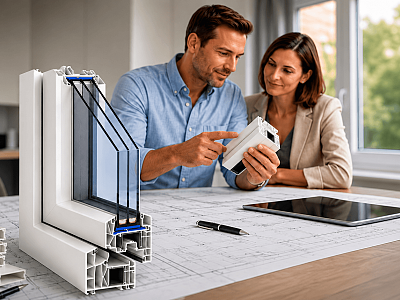
Many buyers begin by comparing Uw values, and this is certainly a sensible starting point. However, the Uw value reflects the thermal performance of the complete window rather than the glazing alone. For a new build, the interaction between the frame, glazing edge spacer, and installation quality is equally important. Without this complete system working together, even an excellent theoretical U value may fail to deliver the expected performance.
Triple glazing has become the standard choice for many new build projects because it significantly improves thermal insulation and helps reduce long term energy costs. At the same time, it increases both the weight and the purchase price of the window. In most modern homes designed to current energy efficiency standards, the advantages clearly outweigh these additional costs.
The g value is another important factor because it measures how much solar energy passes through the glazing. Large south facing windows can provide valuable passive solar heating during winter but may also contribute to overheating during summer. The best windows for a new build are therefore not only highly insulated but also carefully matched to the orientation of the building. Without properly planned solar protection, even premium glazing can reduce indoor comfort in certain rooms.
Plan Sound Insulation and Security from the Start
Many homeowners naturally focus first on appearance and thermal insulation. That is understandable. However, if your property is located near a busy road or includes large ground floor glazing, sound insulation and burglary protection should be part of the window configuration from the very beginning.
When it comes to acoustic performance, triple glazing alone does not automatically provide excellent sound insulation. The overall glass construction, pane thickness, cavity widths, and the complete window system all play an important role. If your new home is located in a noisy environment, it is worth requesting a dedicated acoustic glazing solution instead of relying on standard glazing. Although this increases the investment, the improvement in everyday living comfort is immediately noticeable.
The same principle applies to security. Mushroom locking points, lockable handles, laminated safety glass, and the appropriate resistance class are far easier and more cost effective to include during the initial order than to retrofit later. This is particularly important for terrace doors, balcony doors, and easily accessible ground floor windows.
Large Glass Areas in a New Build Require Careful Planning
Modern homes often feature expansive glazing, floor to ceiling windows, and seamless connections between indoor and outdoor living spaces. These architectural features create brighter interiors and significantly improve the overall living experience. At the same time, they increase the demands placed on structural stability, solar protection, ease of operation, and energy efficiency.
For large glazed elements, the strength of the frame and the quality of the hardware become particularly important. A low priced solution may appear attractive on paper but can reveal weaknesses over time when subjected to heavy glass weights, regular adjustment, and years of daily operation. Homeowners planning for the long term should avoid compromising on quality where large window systems are concerned.
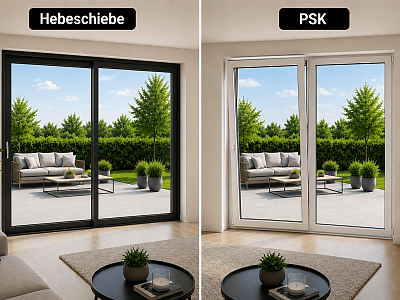
The division of the glazing also deserves careful consideration. Not every large glass surface needs to be an opening sash. Fixed glazing is often more economical, more airtight, and structurally stronger. A well planned combination of fixed panels and opening windows can reduce costs while improving everyday usability. This is one of the key advantages of designing a new build from scratch: intelligent planning almost always outperforms expensive last minute compromises.
Design Choices You Will Notice Every Day
The best windows for a new build should complement both the exterior architecture and the interior design. Frame colour, sightline width, handles, glazing bars, and threshold details may appear insignificant in a catalogue but become highly visible once the house is completed.
White PVC windows remain the most economical option for many projects and suit a wide range of architectural styles. Anthracite, black, or coloured exterior finishes create a more contemporary appearance but involve additional costs. Aluminium systems usually offer an even broader choice of colours. Choosing purely on price may result in windows that perform well technically but do not fully complement the overall design of the home.
Threshold design is another important consideration for terrace and balcony doors. Low threshold solutions improve accessibility, comfort, and the perceived quality of the property. They are relatively straightforward to incorporate into a new build when planned early, whereas adding them later is considerably more complicated.
Comparing Prices: What Offers the Best Long Term Value?
When budgeting for windows in a new build, comparing only the price per unit rarely tells the full story. The true value lies in the balance between material quality, energy efficiency, durability, maintenance requirements, and the selected features. A seemingly inexpensive window may ultimately become the more expensive option if compromises have been made in thermal insulation, hardware quality, or structural performance.
The opposite is equally true. The most expensive system is not automatically the best choice. If a project does not require exceptionally large spans, premium architectural features, or highly specialised technical solutions, a high quality PVC window system may provide the strongest overall value. This is why comparing customised configurations rather than relying solely on brand names is always the smarter approach.
Buying directly from the manufacturer provides another important advantage. Custom manufacturing, transparent system selection, and clearly defined specifications make pricing easier to understand. Instead of dealing with multiple intermediaries, hidden markups, and difficult comparisons, buyers receive a straightforward quotation that accurately reflects the selected products. This approach benefits both private homeowners and commercial developers.
How Homeowners Can Make the Right Decision
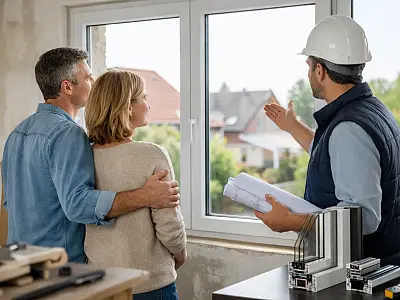
The best approach is to define the requirements for each room individually. A bedroom facing a busy street needs different performance from an upstairs bathroom. A large lift and slide door leading to the garden has completely different technical requirements from a small kitchen window. While maintaining a consistent design throughout the house is often desirable, using exactly the same window specification everywhere is not always the most effective solution.
The next step is to establish your priorities. Is your main objective to optimise the budget, maximise energy efficiency, achieve a premium architectural appearance, or increase security? Each of these priorities influences the ideal choice of profile system, glazing, and additional features. A professional supplier makes these differences transparent instead of recommending the same standard solution for every project.
It is also highly practical to plan windows, doors, sun protection systems, insect screens, and window sills as one integrated package. Considering these elements only after the windows have been ordered often results in unnecessary costs, delays, and avoidable technical compromises. In a new build, having everything supplied as one coordinated system is not just a marketing advantage—it is a genuine benefit for planning, installation, and long term value.
Why Buying Directly from the Manufacturer Makes Sense
When ordering custom made windows, a transparent quotation process is essential. If profile systems, dimensions, glazing options, and additional features can all be configured clearly online, comparing different solutions becomes far simpler. This saves time, reduces unnecessary questions, and helps buyers avoid comparing products that are not technically equivalent.
FENSTERNORM follows exactly this approach by offering custom made windows based on premium profile systems, transparent quotations, and direct purchasing from the manufacturer without unnecessary intermediaries. For homeowners, this combines technical confidence with excellent value for money, allowing quality and price to work together rather than compete against each other.
Ultimately, the best windows for a new build are not the ones with the most impressive brochure or the highest price tag. They are the windows that best match your home, your budget, and the way you intend to live. By making informed decisions from the very beginning, you are investing in far more than glass and frames—you are investing in comfort, energy efficiency, security, and everyday satisfaction for many years to come.