If rising heating bills and cold drafts around your windows have become a familiar problem, it may be time to consider an energy efficient renovation with new windows. This is often the point where a property moves beyond a simple visual upgrade and becomes genuinely more energy efficient, comfortable, and valuable.
Why New Windows Make Such a Big Difference in an Energy Efficient Renovation
Windows are one of the most critical parts of a building's thermal envelope. Even well maintained older windows usually cannot match the thermal insulation, airtightness, and sound insulation offered by modern systems. This is especially true for ageing timber or PVC windows with older double glazing or units that have gradually lost their airtight seal over time.
The benefits of replacing old windows become noticeable in several ways. Heat loss is reduced, the interior glass surface becomes warmer, and rooms immediately feel more comfortable. Modern window systems are also manufactured with much greater precision and are available with a wide range of additional features, from enhanced burglary protection to solar control glazing.
Focusing only on the purchase price rarely leads to the best decision. An energy efficient renovation is about much more than replacing old windows. It is about creating a complete system in which the profile, glazing, seals, installation method, and intended use all work together to deliver the best long term performance.
Energy Efficient Renovation: The Technical Factors That Matter Most
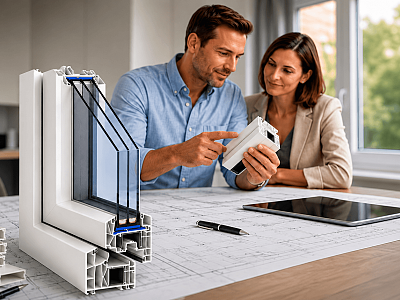
One of the most important values when choosing new windows is the U value. It measures how much heat passes through a building component. The lower the U value, the better the thermal insulation. With windows, however, it is important to distinguish between the Ug value for the glazing, the Uf value for the frame, and the Uw value for the complete window. In practice, the Uw value is the figure that matters most.
This is exactly where many costly mistakes are made. High performance glazing offers little benefit if the frame is poorly insulated or the window is installed in an unsuitable construction. On the other hand, the most expensive premium window is not automatically the most economical solution for every building. In older properties with less insulated walls, selecting windows with strong thermal performance often makes sense, but choosing the highest specification available is not always necessary. Otherwise, the balance of the building envelope can become inefficient.
The glazing itself also deserves careful consideration. Triple glazing has become the standard for many projects because it provides excellent thermal insulation. However, it also increases the weight of the window and may reduce passive solar heat gain in certain situations. Depending on the orientation of the building and how the property is used, this can influence the overall performance. South facing elevations often require different solutions from north facing façades, and heavily shaded buildings may benefit from a different glazing specification altogether.
Airtightness is another important consideration. Older windows often allowed a certain amount of unintended natural ventilation through small gaps. Modern windows are far more airtight. While this improves energy efficiency, it also changes the way a building should be ventilated. Homeowners who previously relied on natural air leakage should be prepared to ventilate more consciously or consider additional ventilation systems. This is not a disadvantage of modern windows but simply an important part of proper planning.
Professional Installation Matters Just as Much as the Window Itself
Even the highest quality window can only deliver its full performance when it is installed correctly. During an energy efficient renovation, installation errors most commonly occur around the sealing joints between the window and the wall. If these areas are not planned and executed properly, thermal bridges, moisture problems, and long term damage to the building structure can occur.
That is why the installation plane is so important. The window should be integrated into the wall so that the interior seal is more airtight than the exterior while ensuring the insulation layer is connected as effectively as possible. In renovation projects, the best solution depends on the existing façade, wall construction, reveals, and any additional work planned as part of the renovation.
Simply replacing the window without paying attention to the surrounding installation details often means losing part of the potential energy savings. This is why it is worth choosing a supplier who not only provides high quality windows but also offers a well structured configuration process and clearly explains the available technical options. Custom made windows are not a luxury in this situation—they are the standard for achieving the best possible result.
Which Windows Are Best for Your Renovation Project?
The right choice depends on your property, your budget, and the level of performance you expect. PVC windows remain one of the most popular solutions for renovation projects because they offer excellent value for money. They are durable, easy to maintain, and available with modern profile systems that deliver outstanding thermal insulation.
Timber windows offer a timeless appearance and are often the preferred choice for premium renovation projects or properties with specific architectural requirements. Aluminium windows are ideal where large glazed areas, slim frame profiles, and exceptional structural strength are required. Timber aluminium combinations combine the advantages of both materials but naturally involve a higher investment.
For many homeowners, the goal is not to choose the highest technical specification available but to find the right balance between energy efficiency, reliable branded profile systems, suitable security features, and a price that fits the overall renovation budget. This is where buying directly from the manufacturer provides a real advantage, allowing you to optimise both the configuration and the cost of your project.
Common Mistakes When Replacing Windows
The most common mistake is comparing windows based only on their purchase price. When evaluating quotations, it is important to compare much more than dimensions and quantities. Profile systems, glazing specifications, security features, warm edge spacers, sealing systems, and window hardware all influence the long term performance of the window. Two products may look almost identical while offering very different levels of quality and energy efficiency.
Another common mistake is choosing the wrong renovation sequence. Replacing the windows first and only considering the façade insulation or external shading at a later stage often leads to unnecessary additional costs or compromises around installation details. This does not mean that every part of the renovation must be completed at the same time, but the different stages should always be planned together.
Sound insulation is another feature that should be assessed individually. Not every home requires acoustic glazing, but for properties located on busy roads it can dramatically improve living comfort. The same applies to solar protection. Large glazed areas facing west or south often benefit significantly from combining energy efficient windows with external shading systems.
Is an Energy Efficient Window Renovation Worth the Investment?
In most cases, yes—but there is no single formula that applies to every property. The financial return depends on the condition of the building, energy prices, the total window area, the heating system, and the overall investment. What is certain is that new windows immediately reduce heat loss and improve everyday comfort. The payback period may vary, but an energy efficient renovation is about far more than reducing heating bills alone.
Replacing old, draughty windows also improves ease of use, airtightness, sound insulation, and security. In addition, modern windows help preserve and increase the value of the property. Whether you plan to sell, rent, or simply enjoy your home for many years, high performance windows remain one of the most valuable long term investments.
Incentives, Documentation, and Reliable Planning
Government grants, tax incentives, and energy efficiency programmes can play an important role in renovation projects. However, eligibility requirements change regularly and often depend on achieving specific technical performance values or providing the necessary documentation. For this reason, your choice of windows should always be considered alongside the current funding requirements.
Accurate technical documentation is essential. The selected windows must meet the performance standards required for your renovation project. Ordering first and checking eligibility afterwards often leads to unnecessary complications. A well structured quotation process, where dimensions, specifications, and technical values are clearly defined from the beginning, provides far greater confidence throughout the project.
This is particularly important for custom made windows. One of the greatest advantages of a digital configuration process is the ability to compare different options transparently, make adjustments quickly, and keep every quotation clear and easy to understand.
How to Plan an Energy Efficient Renovation with New Windows
Every successful renovation begins with the building itself rather than a product catalogue. Consider the age of your existing windows, identify the problems you want to solve, evaluate the wall construction, and determine which rooms are most affected by heat loss, draughts, or noise. Only then should you decide on the frame material, profile system, and glazing specification.
The next step is to define your priorities. Is your main goal to reduce heating costs, eliminate draughts, improve sound insulation, or achieve the best possible combination of all these benefits? Once your objectives are clearly established, selecting the right window configuration becomes much easier while avoiding unnecessary upgrades that add cost without delivering meaningful value.
The final stage is preparing accurate measurements and selecting the appropriate technical specifications. Precise measurements are essential for achieving the best results. Choosing a supplier that combines custom made manufacturing, trusted profile systems, and transparent pricing makes the entire process much more straightforward. At FENSTERNORM, you can configure your windows, enter your measurements, select the desired features, and receive a non binding PDF quotation directly from the manufacturer without unnecessary intermediaries.
Ultimately, the quality of a renovation is not measured by an impressive brochure or technical specifications alone. What truly matters is whether the new windows suit your building, are professionally installed, and provide genuine long term value. When your home becomes noticeably warmer, quieter, more comfortable, and more energy efficient, you can be confident that you made the right investment.