Anyone planning new windows will soon face the same question: double or triple glazing? This is often where decisions are made too quickly, based solely on price or simply on the U value. Neither approach tells the whole story. The right glazing depends on the building, its intended use, and the available budget.
Glass alone does not determine a window's performance. The overall result depends on the combination of glazing, profile system, edge spacer, seals, and professional installation. Even so, choosing between double and triple glazed windows remains one of the most important decisions for energy efficiency, living comfort, and long term costs. That is why it deserves careful consideration.
Double or Triple Glazing: What Is the Difference?
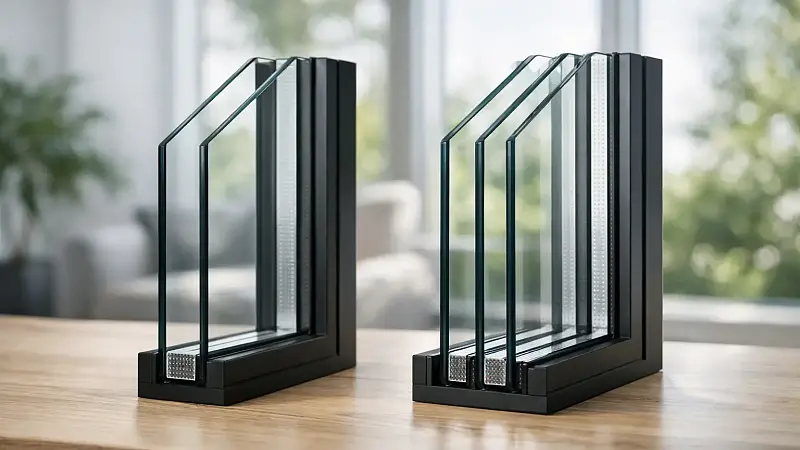
The technical difference is straightforward. Double glazing consists of two panes separated by an insulating cavity. Triple glazing adds a third pane and a second insulating cavity. Modern glazing units also include low emissivity coatings and an insulating gas filling, usually argon.
In practice, this means triple glazing reduces heat loss more effectively than double glazing. The glass achieves a lower Ug value, making the difference particularly noticeable during the heating season. The inner glass surface remains warmer, cold radiation is reduced, and the indoor environment feels more comfortable.
That does not automatically mean double glazing is the wrong choice. In certain projects it can still be the more economical solution, especially in less frequently heated areas, selected renovation projects, or whenever the entire window system is designed to meet a clearly defined budget.
How Does This Affect Energy Costs?
Anyone looking to reduce heating costs naturally focuses on better insulation. Triple glazing offers clear advantages in this respect. In living spaces with large glazed areas or highly exposed façades, the difference can be significant. Lower heat loss means the heating system has to work less to maintain a comfortable indoor temperature.
However, the financial benefit always depends on the condition of the building as a whole. In an older property with poorly insulated walls and outdated roller shutter boxes, triple glazing can improve efficiency, but it will not transform the building into a modern energy efficient home on its own. On the other hand, in a well designed new build or a carefully planned energy renovation, the advantages become much more noticeable.
Window size also plays an important role. The larger the glass surface, the greater the impact of the glazing quality. With large patio doors, floor to ceiling glazing, or extensive window walls, the difference between double and triple glazing is often far more significant than it is with smaller utility room windows.
Comfort Is About More Than the U Value
Many buyers make their decision based on the price of each window. That is understandable. In everyday life, however, the first thing most people notice is the difference in comfort. Triple glazed windows provide warmer interior glass surfaces during winter, reducing the sensation of cold near the window even when the seals are functioning perfectly.
Improved thermal insulation also helps reduce condensation on the inside of the glass, provided ventilation and indoor humidity are properly managed. Anyone who has spent time sitting next to older windows will immediately recognise the difference. Warmer inner panes simply create a more comfortable living environment.
When it comes to sound insulation, more panes do not automatically mean better acoustic performance. The overall glass construction, pane thickness, and asymmetric glazing combinations are far more important. Anyone living near a busy road should therefore look beyond the choice between double and triple glazing and ask specifically for a glazing configuration designed for sound reduction.
When Is Double Glazing the Right Choice?
Double glazing still has its place whenever a project needs to be carefully balanced from a financial perspective. This may apply to unheated or less frequently used areas, certain commercial buildings, or renovation projects where the entire building performance needs to be considered rather than the glazing alone.
Another factor is weight. Triple glazing is heavier, which affects the hardware, sash sizes, and the overall load on the window system. For small and medium sized windows this is usually not a problem. With very large elements, however, it can become an important consideration, requiring the right profile system and proper structural design.
Price can also favour double glazing in certain situations. When many windows are being replaced at the same time and the budget is limited, a high quality double glazed solution may provide a better overall result than compromising on profile quality, hardware, or installation simply to achieve triple glazing. A low cost triple glazed window that cuts corners is not automatically the better investment.
When Is Triple Glazing Worth the Investment?
For many new build projects, triple glazing has become the natural standard. Anyone aiming to meet modern energy efficiency requirements will often find it difficult to avoid. This is especially true where large glazed areas, open plan living spaces, and high expectations for indoor comfort come together.
Triple glazing is also an excellent choice for energy efficient renovations, particularly when the roof, façade, or heating system are being upgraded at the same time. In this situation, the performance of the windows matches the overall quality of the building, creating a more balanced solution both technically and economically.
Triple glazing is particularly beneficial in bedrooms, living rooms, and any space where people spend long periods close to the windows. The improvement in comfort is immediately noticeable. In addition, high quality triple glazed window systems can contribute to preserving the long term value of the property.
Double or Triple Glazing for Renovation Projects
Every renovation project is different. In older buildings, there is no universal solution. Before choosing new glazing, it is important to evaluate how airtight the building will become after the window replacement, how the walls are constructed, and whether thermal bridges exist elsewhere. Replacing old windows with highly airtight new ones changes the building's natural ventilation behaviour considerably.
This is not an argument against triple glazing but rather a reason for careful planning. High performance windows deliver the best results when installation details, connection points, and ventilation are all considered together. Otherwise, homeowners may expect the new windows to solve moisture problems that actually originate elsewhere within the building.
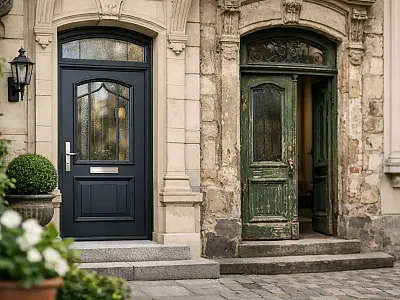
In heritage properties or technically sensitive renovation projects, double glazing may still be the more practical option. Existing frame dimensions, sash weight, or structural limitations sometimes define what is realistically possible. In these situations, the goal is not the maximum specification but the most appropriate solution for the building.
Price Comparison: What Does the Better Choice Cost?
Triple glazing is generally more expensive than double glazing. That comes as no surprise. The important question is how large the additional cost actually is within a particular window system and what level of performance that investment delivers.
Anyone focusing only on the price of an individual window often overlooks the bigger picture. When a window is custom manufactured with a high quality profile system, suitable security features, and the right configuration, the price difference between double and triple glazing is often easier to justify. Buying directly from the manufacturer also makes these comparisons far more transparent by eliminating the additional costs associated with multiple intermediaries.
From an economic perspective, higher performance glazing delivers the greatest value where windows will remain in use for many years, where the heating season is significant, and where rooms are permanently heated. For occasionally used utility areas, the calculation may be different. That is why glazing should not automatically be selected for the entire building but instead matched to the function and location of each room.
What Buyers Should Really Look For
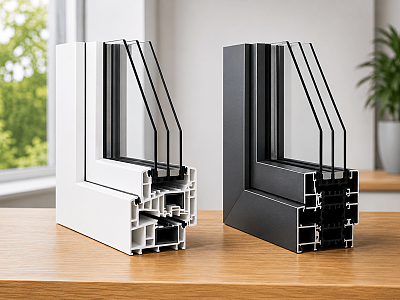
The question of double or triple glazing is important, but it should never be considered in isolation. A high quality window is much more than its glass. Anyone making a proper comparison should focus on the Uw value of the complete window rather than only the Ug value of the glazing. Profile quality, sealing systems, warm edge spacers, hardware, and professional installation are equally important.
Solar gain and the orientation of the building should also be taken into account. Triple glazing can influence the amount of solar heat entering the building differently from double glazing. This is neither automatically better nor worse. In south facing rooms with large glazed areas, it can become an important factor. The goal is to balance useful solar gains during winter with effective shading in summer.
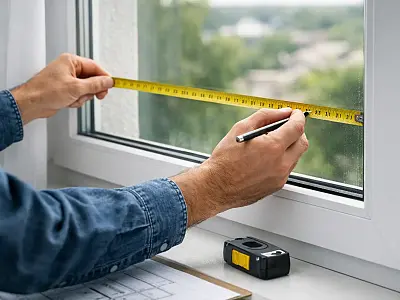
For homeowners and renovators, the rule is simple: do not buy the best number on paper, choose the right window system for your building. Anyone who configures windows online and compares quotations should define dimensions, room usage, orientation, and desired features from the very beginning. Only then does a price comparison become a reliable basis for making the right decision.
A manufacturer such as FENSTERNORM demonstrates its strengths by combining technical expertise with transparent pricing. Buying directly from the manufacturer means custom made windows, straightforward comparisons, and solutions tailored precisely to your project without unnecessary intermediaries. This not only helps reduce costs but also prevents expensive mistakes.
Choosing new windows is about much more than selecting glass. It is an investment in comfort, energy efficiency, and the long term value of your home. That is why the decision between double and triple glazing should always be based on the specific requirements of your building, your living needs, and your available budget rather than on assumptions alone.