Anyone replacing a front door is making a decision about more than just the appearance of the façade. Designing a modern front door with glass means carefully balancing natural light, privacy, thermal insulation and burglary protection. Especially in new builds and energy-efficient renovations, the front door is a highly visible building element with an important function: it shapes the first impression while also sealing a sensitive part of the building envelope.
Modern glass inserts make the entrance area brighter and more open. However, this only works convincingly when the door leaf, frame, type of glass, fittings and dimensions are planned as a complete system. A large glass surface can create a strong architectural statement, but it places different demands on privacy and security than a narrow glazed panel. Made-to-measure production provides the crucial flexibility here.
Modern Front Door with Glass: What Defines the Style
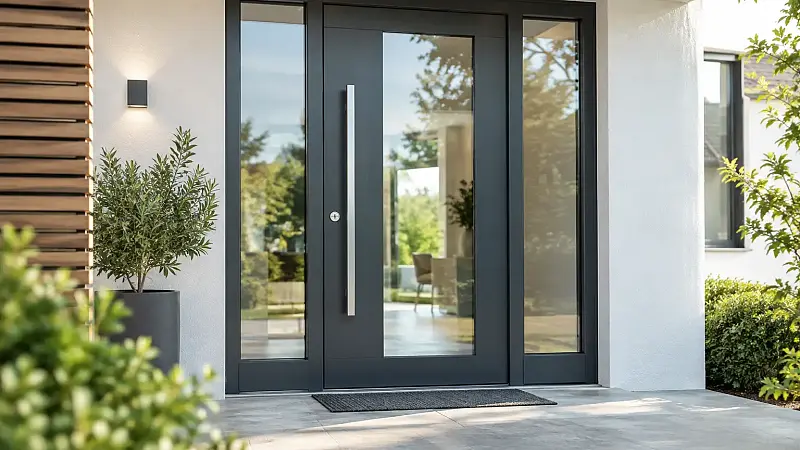
A modern front door is characterised by clean lines, minimalist surfaces and carefully chosen details. Instead of traditional panels, smooth door leaves, narrow vision panels, flush applications or generous glass sections dominate the design. Anthracite finishes, black, white and wood decors are particularly popular, while individual RAL colours offer even greater freedom for sophisticated façade concepts.
Glass is more than just a decorative element. A side glass panel can significantly brighten a narrow hallway without making the door itself unnecessarily wide. A transom is ideal for high entrance areas, while centrally positioned vertical glazing emphasises a symmetrical door design. For wider openings, fixed sidelights can create an even more impressive appearance. Whether this option is suitable depends on the reveal, the available space in the entrance area and the desired level of security.
A modern appearance does not depend on using large amounts of glass. Subtle glazing can also look sophisticated when the proportions, handle and colour are well coordinated. A long pull handle, for example, works particularly well with a tall, smooth door surface. In smaller entrance areas, however, an oversized handle can quickly make the design appear unbalanced.
Choosing the Material: Aluminium, PVC or Wood?
The material influences the price, maintenance requirements, stability and design possibilities. Aluminium front doors are considered particularly dimensionally stable and are well suited to large door leaves and slim profiles. They are an excellent choice for contemporary architecture, dark colours and demanding applications. High-quality aluminium profile systems, such as those from Schüco or Reynaers, combine a precise appearance with good thermal insulation. The purchase price is generally higher than for a PVC door, but this is often justified by their durability and greater design flexibility.
PVC front doors offer an attractive price-performance ratio and good thermal insulation. They are easy to maintain and available in a wide range of colours and decors. For standard dimensions and budget-conscious renovations, PVC is often the most economical solution. For very large door leaves, unusual glass surfaces or particularly dark finishes, however, it is worth checking whether aluminium would be the more suitable choice.
Wood brings a warm, natural character to the entrance area. Modern wooden doors can have a deliberately minimalist appearance, but they require more attention in terms of maintenance and weather protection. Wood-aluminium constructions combine a warm interior surface with a durable exterior shell. They offer a premium solution, but are generally more expensive.
The Right Glass for Light, Privacy and Protection
Clear glass brings maximum natural light into the hallway, but it also allows direct views inside. It is particularly suitable where the entrance is set back or privacy is less important. In densely built residential areas, ornamental glass is often the better choice. Satin, textured or frosted glass allows light to enter while making it more difficult to see directly into the home.
It is important to remember that privacy glass is not automatically safety glass. Depending on the design, at least a safety glazing solution such as tempered safety glass or laminated safety glass is recommended for entrance doors. Laminated safety glass remains better bonded together when damaged and makes penetration more difficult. This type of glazing is particularly useful for floor-level sidelights and large glass sections.
The thermal insulation of the glazing should also match the door. Modern multiple glazing reduces heat loss and improves comfort near the entrance. The U-value provides useful guidance when comparing products, but it should always be considered for the complete building element. A good glazing value alone provides little benefit if the frame, door leaf and installation do not achieve the same level of performance.
Do Not Choose Ornamental Glass by Pattern Alone
Many buyers choose textured glass based solely on a photograph. In practice, however, its appearance changes depending on daylight, interior lighting and viewing angle. Some patterns provide privacy only from a short distance, while others appear considerably darker from inside than expected. You should therefore consider how strongly outlines need to be obscured and whether the glass matches the design of the other windows. A subtle, finely satin-finished surface usually looks more timeless in modern homes than a highly distinctive decorative pattern.
Security Begins with the Complete Door Element
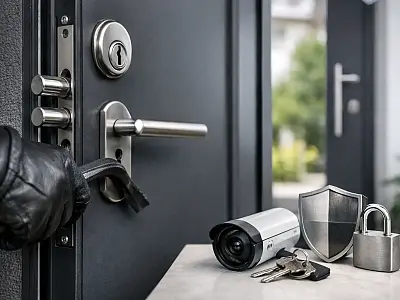
A front door with glass does not necessarily have to be less secure than a solid door. What matters is the quality of the complete construction. Safety glass, a stable frame, a strong lock cylinder, multi-point locking and professionally coordinated fittings work together to provide protection.
For many detached houses, multi-point locking is a sensible basic feature. It secures the door not only around the lock itself, but at several points along the door leaf. Additional security escutcheons and drill protection for the cylinder can also be useful. Anyone living in an area with an increased risk of burglary or fitting an easily accessible secondary entrance door should specifically ask about burglar-resistant designs.
Even the best door technology loses effectiveness if it is installed inaccurately. The connection between the frame and the building structure must be permanently sealed, stable and professionally executed. Accurate measurements are equally important: even small errors can lead to draughts, difficult closing or problems with sealing.
Define Dimensions, Opening Direction and Accessibility Early
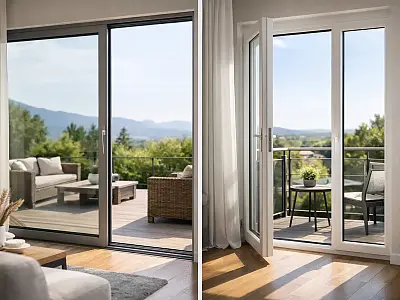
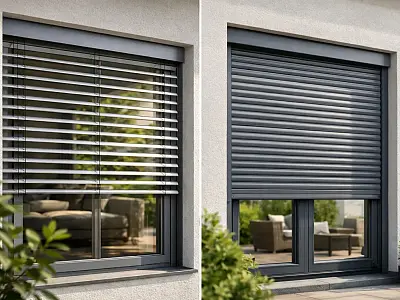
Before configuring the door, the clear dimensions of the opening should be measured accurately. Relevant factors include not only width and height, but also the wall construction, floor connection, existing shutters, canopy and the direction in which the door leaf should open. With an inward-opening door, the leaf must not collide with stairs, a coat rack or a radiator.
Anyone planning for the long term should consider a comfortable clear passage width and a threshold that is as low as possible. This makes everyday use easier with a pushchair, shopping bags or a walker. During renovations, it is not always possible to achieve every ideal solution, but a well-planned threshold and sufficiently wide passage can still significantly improve ease of use.
Sidelights and transoms also change the structural and design requirements. They can make optimal use of an existing opening, but must be precisely adapted to the installation situation. For special dimensions, an off-the-shelf door is rarely the best solution.
How to Compare Offers Correctly
The price of a front door depends more on its features and dimensions than on the product image. An affordable basic configuration can change significantly once safety glass, a special colour, a sidelight, handle, improved thermal insulation and installation are added. This is not necessarily a disadvantage, as long as all items are listed transparently.
Always compare the same scope of supply: material and profile series, exterior and interior colour, door leaf thickness, glazing structure, security features, handle, threshold, opening direction and delivery. An offer without clear information about the glazing or locking system can hardly be compared with a fully configured door.
At FENSTERNORM, dimensions and equipment options can be configured specifically and checked in the form of a non-binding PDF quotation. This creates a reliable basis before ordering. Buying directly from the MANUFACTURER can offer price advantages, but it does not replace the careful clarification of measurements and installation conditions.
The Right Configuration for Your Home
For a clean, modern entrance area, an aluminium door in a dark finish with a narrow, satin-finished vertical glass panel is often a well-balanced solution. It brings in light, preserves privacy and suits many façade designs. Anyone looking for maximum brightness can choose a door with a sidelight, but should then consistently take safety glass and protection from unwanted views into account.
For a limited budget, a made-to-measure PVC front door with high-quality thermal insulation glazing and multi-point locking often provides the greatest practical benefit for the money invested. For design-oriented new builds or wide special formats, aluminium systems are particularly worth considering.
Before placing your order, take time to consider the dimensions, type of glass and security details. A front door is used every day and remains visible for many years. Anyone who configures it to suit the building and its actual use is not investing in a short-lived trend, but in light, comfort and an entrance that remains convincing over the long term.